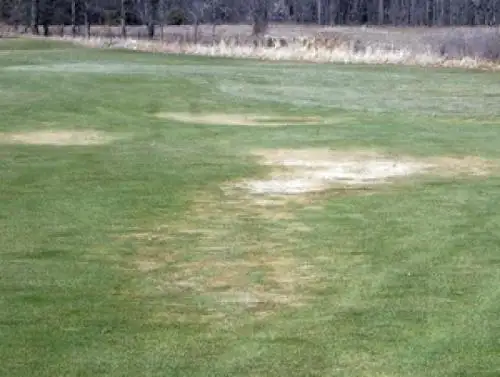
One of the most frustrating things about lawn care is when only part of your yard looks healthy. You stand back, and one section is lush, green, and growing beautifully while another looks dry, thin, or completely brown.
If your lawn looks like it has several different personalities, you’re not alone. Patchy lawns are one of the most common concerns we hear from Minnesota homeowners. Fortunately, there’s usually a logical explanation—and in many cases, it’s something that can be corrected.
No Two Lawns Are Exactly the Same
Even if your yard appears flat and uniform, the conditions beneath the surface can vary dramatically.
One part of your lawn may have sandy soil that drains quickly, while another holds moisture much longer. One area may receive full sun all day, while another spends the afternoon in shade. Some sections may receive heavier foot traffic from children or pets, while others remain relatively undisturbed.
Those differences affect how grass grows, especially during the heat of a Minnesota summer.
Sunlight Makes a Big Difference
Grass growing in full sun faces very different conditions than grass growing beneath mature trees or alongside the house.
Sunny areas often dry out faster and experience greater heat stress. Shaded areas generally stay cooler and retain moisture longer, although too much shade can create its own challenges by limiting healthy grass growth.
If the greenest part of your lawn is the area that receives afternoon shade, heat stress may be contributing to the brown sections elsewhere.
Water Doesn’t Always Reach Every Area Equally
Irrigation systems and sprinklers don’t always distribute water perfectly.
Some areas may receive excellent coverage while others get very little. Sloped areas can also cause water to run off before it has a chance to soak into the soil.
Even if you’re watering consistently, some portions of the lawn may simply not be receiving enough moisture to stay healthy during periods of hot weather.
Compacted Soil Can Create Brown Patches
Areas that receive frequent foot traffic often develop compacted soil over time.
Compacted soil restricts the movement of water, oxygen, and nutrients into the root zone. As a result, grass in those areas may become stressed much sooner than the rest of the lawn.
Core aeration is often one of the most effective ways to relieve compaction and encourage healthier, more consistent growth.
Different Grass Types React Differently
Many Minnesota lawns contain a mixture of grass varieties. Kentucky bluegrass, perennial ryegrass, and fine fescues each respond differently to heat, drought, shade, and traffic.
One variety may remain green while another temporarily goes dormant during dry conditions. This can create noticeable color differences across the lawn even when both types of grass are healthy.
Insects and Lawn Diseases Can Be Localized
Not every lawn problem affects the entire yard.
Grubs, fungal diseases, and other turf problems often appear in isolated areas before spreading. If one section continues getting worse while the rest of the lawn remains healthy, it’s worth having the problem evaluated before it becomes more widespread.
Fertilizer May Not Be Reaching Every Area
Uneven fertilizer application can also contribute to inconsistent lawn color.
If nutrients are applied unevenly or if compacted soil prevents the roots from accessing those nutrients, some sections may grow vigorously while others struggle.
A professionally maintained fertilization program helps ensure your lawn receives consistent nutrition throughout the growing season.
The Solution Starts with Finding the Cause
Because several different issues can produce similar symptoms, the first step is determining why one part of the lawn is thriving while another is struggling.
Simply watering more or applying additional fertilizer may not solve the problem if the real issue is compaction, insects, poor drainage, or excessive shade.
Once the underlying cause is identified, the right treatment can often restore a more consistent, healthy appearance.
A Greener, More Uniform Lawn
At TurfCare, we help homeowners throughout Minnesota identify the causes of patchy lawns and develop customized treatment plans that promote healthy, even growth. From fertilization and weed control to aeration and overseeding, our services are designed to keep your lawn looking its best throughout the season.
If parts of your lawn stay green while others turn brown, don’t just guess at the problem. Contact TurfCare today, and let us help you get your entire lawn growing in the same direction.