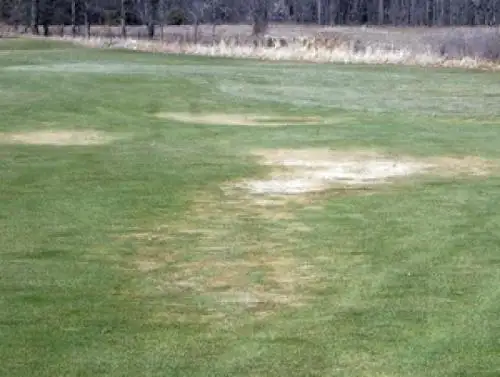
In Minnesota, your lawn is doing a whole lot of “work” while it looks like it’s doing nothing at all. Under the snow, turf is dealing with temperature swings, ice layers, compacted snow, and limited airflow. Then spring arrives, the snow melts, and suddenly you’re staring at thin patches, dead-looking areas, and a lawn that feels like it woke up on the wrong side of winter.
This is exactly why February is a smart month to think about spring lawn care. Not because you’re going to be out fertilizing in a blizzard, but because planning now helps you avoid rushed decisions later and sets you up to hit the critical spring windows at the right time.
What Is “Winter Kill” Grass?
Winter kill is the umbrella term for turfgrass that dies (or is severely weakened) over winter due to environmental stress. It’s not one single cause. In Minnesota, winter kill often shows up when lawns experience one or more of these conditions:
- Ice sheets that seal off oxygen and “smother” turf
- Freeze-thaw cycles that stress crowns and roots
- Snow compaction from heavy drifts or repeated foot traffic
- Dry winter winds that cause dehydration in exposed areas
- Inconsistent snow cover that leaves turf unprotected during deep cold snaps
The tricky part is that winter kill damage is usually invisible until the thaw. By the time you see it, the lawn is already behind in recovery, and weeds are excited to audition for the empty spots.
February Lawn Planning: Why It Matters in Minnesota
Here’s the secret: the best spring lawns are rarely “fixed” in spring. They’re set up before spring.
In February, you can’t control the weather, but you can control your game plan. That matters because once the snow melts, conditions change fast:
- Soil gets saturated, then dries, then re-saturates
- Compaction becomes obvious
- Weak turf struggles to green up evenly
- Weeds start positioning early
- Timing windows for aeration and seeding can be short
If your goal is a thick, healthy lawn in late spring and summer, February is the month to get your ducks in a row so you’re not playing catch-up when everyone else is also trying to book lawn services.
Common Post-Winter Lawn Problems You’ll See After Snowmelt
When Minnesota lawns come out of winter, the “damage report” tends to look like one or more of the following:
1) Thin Turf and Bare Patches
Weak roots and stressed crowns lead to slow green-up, sparse areas, and sections that never fully recover without help. Thin turf is also a welcome mat for weeds.
2) Matted Grass and Disease Pressure
Extended snow cover can create a moist environment that encourages issues like snow mold and other patch problems. If you’ve dealt with thinning brown areas or dead spots in past springs, that’s a sign your lawn may benefit from a more proactive strategy, including targeted treatments when conditions call for it.
3) Soil Compaction
Heavy snow and freeze/thaw cycles can compact soil, restricting airflow and reducing how well water and nutrients move through the root zone. Compaction makes everything harder: rooting, thickening, and uniform growth.
4) Uneven Growth and Color
If your lawn greens up in some areas but stays pale in others, that’s usually a sign the underlying system is out of balance, not just “bad grass.” Soil health, nutrients, and timing all play a role.
Post-Winter Lawn Care in Minnesota: What Actually Helps
Once spring arrives, homeowners often want one quick fix. The reality is that strong lawns are built with a sequence of correct treatments, timed to Minnesota conditions.
This is where TurfCareMN’s core services fit together like a well-tuned program rather than random one-off treatments.
Build density and recovery with aeration and seeding
If your lawn is compacted or thin, aeration can help open the soil so oxygen, water, and nutrients reach the roots more effectively. Pairing that with seeding is often the difference between “it improved a little” and “wow, that filled in fast.”
Explore TurfCareMN services here:
https://www.turfcaremn.com/services/
Feed the lawn the right way with fertilization and organic options
After winter stress, turf needs the right nutrition at the right time. A thoughtful fertilization strategy supports recovery, color, and root strength. TurfCareMN also offers organic fertilizer options designed to support long-term soil and lawn health.
Prevent “small problems” from becoming summer disasters
In Minnesota, spring sets the stage for what happens in summer. That includes disease pressure (especially in problem areas) and turf-damaging insects that can quietly chew up roots and stress grass when heat arrives. TurfCareMN provides fungicide and insecticide programs when they’re needed, based on real conditions, not guesses.
Improve soil and turf performance with top dressing
If your lawn struggles year after year, it’s often a sign that soil structure and nutrient availability need support. Top dressing can help “feed the system,” supporting healthier turf that performs better across the entire season.
Make the whole yard more enjoyable with mosquito and tick control
For many Minnesota homeowners, the lawn isn’t just about grass. It’s about using the yard. Mosquito and tick control can help protect outdoor time as the season ramps up.
Why DIY Lawn Recovery Often Falls Short
Most homeowners aren’t doing anything “wrong.” Lawn care just has a lot more moving parts than it looks like from the sidewalk. Minnesota lawns require you to manage:
- Soil health and compaction
- Nutrient timing (not just “fertilizer,” but when and how)
- Turf density and recovery strategy
- Disease and insect pressure based on weather patterns
- Season-long planning so spring success doesn’t fade by July
That’s why a professional program can be such a relief. You get the right treatments, in the right order, at the right time, without guessing.
The Simple February Takeaway
If you’re in Minnesota and you care about having a thick, green lawn in spring and summer, February is the time to plan. Winter kill and post-winter lawn stress don’t magically fix themselves, and waiting until everything turns brown in April can shrink your best recovery window.
The smartest move is to get a plan in place now and let pros handle the complexity.
Ready to set your lawn up for a better spring?
Contact TurfCareMN and start your spring lawn care plan today:
https://www.turfcaremn.com/contact/