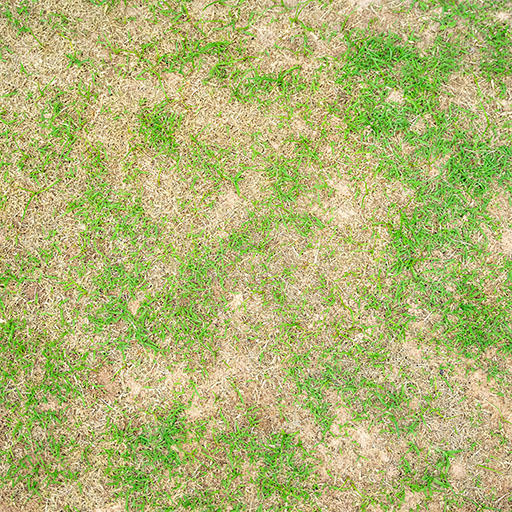
You walk outside one morning and there it is: a brown patch in the middle of an otherwise green lawn.
So you turn on the sprinkler.
That might be exactly what the lawn needs. Or it might do absolutely nothing to solve the problem. In some cases, adding more water can actually make matters worse.
Brown patches in a Minnesota lawn can be caused by drought, insects, lawn diseases, pet urine, mowing problems, compacted soil and several other issues. Many of them look surprisingly similar from a distance.
Before treating the problem, it helps to figure out what you’re actually looking at.
Is the Lawn Simply Too Dry?
Let’s start with the obvious possibility.
Minnesota summers can include extended periods of heat and limited rainfall. Grass that isn’t receiving enough moisture can become stressed, turn brown and eventually go dormant.
Drought stress often affects larger areas rather than creating one perfectly defined patch. You may also notice grass developing a grayish or bluish-green appearance before it turns brown.
Another clue is footprints. Healthy, well-hydrated grass tends to spring back after you walk across it. Drought-stressed grass may remain flattened.
But don’t assume that because the grass is brown it automatically needs more water. Check the soil and look for other symptoms first.
Could Your Sprinklers Be Missing That Area?
Sometimes the lawn is getting plenty of water overall, but one particular area isn’t.
A poorly adjusted sprinkler head, clogged nozzle or change in sprinkler coverage can create dry areas surrounded by healthy grass.
This can be especially noticeable during hot weather when a section of lawn that receives inadequate water begins showing stress much faster than the surrounding turf.
If the brown areas seem to correspond with gaps in your irrigation coverage, the problem may be the sprinkler system rather than the lawn itself.
Could It Be a Lawn Disease?
Several turf diseases can cause brown or discolored areas in Minnesota lawns.
Fungal diseases tend to become more active when the right combination of temperature, moisture and susceptible turf is present. Depending on the disease, damage may appear as small spots, irregular patches or larger areas of declining grass.
This is one reason automatically increasing irrigation can be a mistake. If excessive moisture is contributing to a fungal problem, keeping the lawn even wetter may encourage the conditions the disease prefers.
Proper diagnosis matters before deciding how to treat suspected lawn disease.
Are Grubs or Other Insects Damaging the Roots?
Sometimes the problem isn’t visible on the grass because it is happening underneath it.
Certain lawn insects can damage turf by feeding on grass roots or other parts of the plant. As root damage increases, the affected grass can wilt, turn brown and die.
One potential clue is turf that feels unusually loose. Severely damaged grass may pull away from the soil relatively easily because much of its root system has been destroyed.
However, brown grass alone isn’t enough to diagnose an insect problem. The lawn should be inspected for actual evidence before treatment is recommended.
What About Dog Urine?
If the brown spots are relatively small and scattered throughout an area where a dog regularly spends time, you may already have your prime suspect.
Dog urine can create concentrated areas of salts and nitrogen that damage grass. The classic appearance is a small brown or dead center sometimes surrounded by a ring of unusually dark green grass.
The green ring occurs because the grass around the affected area receives enough nitrogen to stimulate growth without receiving the damaging concentration found in the center.
Repeated use of the same area can make the damage more noticeable.
Did Something Spill on the Lawn?
Gasoline, chemicals, excessive fertilizer and other substances can cause localized areas of dead grass.
These patches often appear suddenly and may have unusual shapes that don’t resemble typical drought stress or lawn disease.
Fertilizer spills are a particularly good example. Fertilizer helps grass when applied at the appropriate rate, but a concentrated pile can burn and kill the turf underneath it.
If a brown patch appeared shortly after lawn equipment, fertilizer or another product was used in that location, consider whether something may have been spilled.
Are You Mowing the Lawn Too Short?
Scalping a lawn can expose grass stems and crowns while removing too much of the green leaf surface.
This commonly happens when the mower is set too low or when tall grass is cut dramatically shorter all at once.
Uneven ground can make the problem worse. A mower deck may cut normally across most of the yard but scalp raised areas.
During hot summer weather, excessively short grass can also become stressed more quickly because the soil receives more direct sunlight and dries faster.
Could Compacted Soil Be Part of the Problem?
Some brown or thin areas occur in exactly the places where people walk the most.
That’s not necessarily a coincidence.
Repeated foot traffic can compact soil, reducing pore space and making it more difficult for air, water and nutrients to reach the root zone. Grass growing in heavily compacted soil may struggle even when surrounding areas remain healthy.
Core aeration can help relieve soil compaction and improve growing conditions when compaction is contributing to turf decline.
Too Much Water Can Cause Problems Too
Brown grass doesn’t always mean dry grass.
Overwatering or poor drainage can create saturated soil with inadequate oxygen around the roots. Constant moisture can also create favorable conditions for certain lawn diseases.
If a brown area remains wet long after the rest of the lawn has dried, drainage may deserve a closer look.
This is another reason simply running the sprinkler longer isn’t always the right response to brown grass.
Could Shade Be Causing the Lawn to Thin Out?
Grass needs sunlight, and some parts of a property may simply not receive enough of it.
As trees mature, areas that supported healthy turf years ago can gradually become more shaded. Grass may become increasingly thin and weak before bare or brown areas begin appearing.
Shade can also create cooler, damper conditions that affect how quickly the soil dries.
If the same area struggles year after year underneath trees or along the shaded side of a building, the amount of available sunlight may be an important part of the problem.
What Does the Shape of the Brown Patch Tell You?
The pattern can sometimes provide useful clues.
- Large, generally dry areas may suggest drought stress or inadequate irrigation.
- Small spots with green edges may point toward pet urine.
- Brown areas along heavily traveled paths may indicate soil compaction.
- Irregular or expanding patches may warrant investigation for disease or insects.
- Stripes or consistently shaped areas can sometimes be related to mowing, fertilizer or application problems.
- Recurring problems in shaded locations may indicate that growing conditions aren’t favorable for healthy turf.
These patterns are clues, not a diagnosis. Different lawn problems can produce similar symptoms.
Is the Grass Dead or Just Dormant?
This is another important distinction during a Minnesota summer.
Cool-season grasses can enter dormancy during periods of heat and drought. The grass turns brown and appears dead, but the crown and root system may still be alive.
When cooler temperatures and adequate moisture return, dormant turf can begin growing and turn green again.
Truly dead grass isn’t coming back. Those areas may eventually need to be repaired or reseeded.
Knowing the difference can prevent you from tearing up turf that simply needs time and better growing conditions.
Don’t Treat Brown Grass Until You Know Why It’s Brown
There isn’t one product that fixes every brown patch.
Drought needs to be handled differently from disease. Insect damage requires a different approach from compacted soil. Dead grass may need renovation, while dormant grass may recover on its own.
Applying the wrong treatment wastes money and can delay the treatment the lawn actually needs.
That’s why identifying the cause should come before deciding on the cure.
TurfCare Can Help Diagnose Brown Patches in Your Minnesota Lawn
If you’re seeing brown patches in your Minnesota lawn around Brainerd, Baxter or the surrounding Lakes Area, TurfCare can help determine what’s actually happening.
We’ll look at the turf and the conditions surrounding the damaged areas to help identify whether you’re dealing with drought stress, insects, disease, soil problems, weeds or another lawn-care issue.
Once we understand the cause, we can recommend the appropriate treatment or lawn renovation strategy instead of simply guessing.
Before you add more water, fertilizer or another lawn treatment, contact TurfCare. Let’s figure out why the grass is brown first.