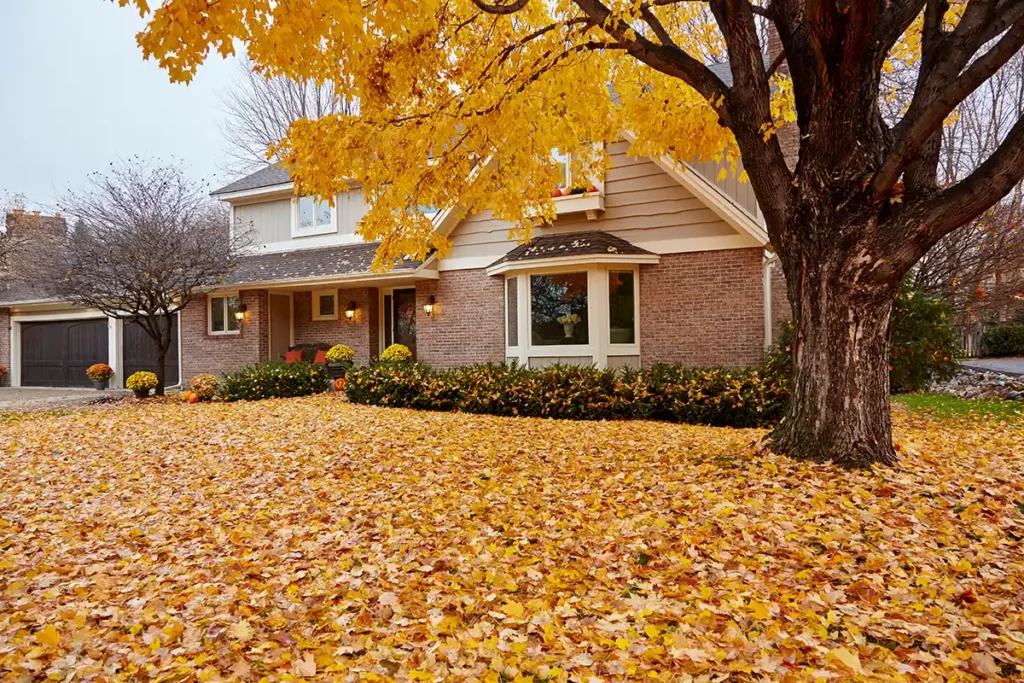
By the time fall arrives in Minnesota, it’s tempting to stop thinking about the lawn. The mowing season is winding down, leaves are beginning to fall and winter isn’t far away.
But your grass isn’t finished with the growing season just because summer is over.
In fact, fall lawn care in Minnesota can have a major impact on how your lawn survives winter and how quickly it recovers next spring. Cooler temperatures provide excellent growing conditions for cool-season grasses, while the lawn is also preparing its root system and storing energy for the months ahead.
From fertilization and weed control to aeration, overseeding and that final mowing, here’s what Minnesota homeowners should know about taking care of their lawns in the fall.
Why Is Fall So Important for Minnesota Lawns?
Most Minnesota lawns are made up primarily of cool-season grasses. These grasses prefer the moderate temperatures of spring and fall over the heat of midsummer.
As temperatures begin dropping in late summer and early fall, grass that struggled through July and August can begin actively growing again.
But what’s happening underground may be even more important.
The lawn is developing roots and storing energy that will help it survive winter dormancy and support new growth when temperatures warm again in spring.
That makes fall an excellent opportunity to strengthen existing turf, repair summer damage and prepare the lawn for the following growing season.
Start by Evaluating Summer Damage
Before deciding what your lawn needs this fall, take a good look at what happened during the summer.
Are there thin areas? Bare spots? Heavy weed growth? Brown patches? Areas damaged by drought, insects or disease?
Fall lawn care shouldn’t simply be a checklist of treatments applied whether the lawn needs them or not. Identifying existing problems helps determine which services will provide the greatest benefit.
For example, a thick, healthy lawn may primarily need fertilization and weed control. A thin, compacted lawn may benefit considerably from core aeration and overseeding.
Fall Fertilization Helps Prepare Grass for Winter
Fall fertilization is an important part of maintaining a healthy Minnesota lawn.
Grass still needs nutrients after the hottest part of summer has passed. Properly timed fertilizer can support healthy growth and root development while helping the lawn prepare for winter.
The objective isn’t simply to produce a burst of green top growth before snowfall. A properly managed fertilization program supports the entire grass plant, including the roots and energy reserves that will matter during winter and the following spring.
The appropriate fertilizer and timing depend on the lawn and where we are in the growing season. More fertilizer isn’t automatically better.
Fall Is an Important Time for Weed Control
When temperatures cool, weeds may become less noticeable, but that doesn’t mean they have stopped growing.
Many perennial broadleaf weeds are preparing for winter just like your grass is. They move energy into their root systems and other storage structures that will help them survive until spring.
That biological process can make fall an effective time to control many established perennial weeds.
Dandelions, clover and other broadleaf weeds treated appropriately in fall can be reduced before they have the opportunity to return aggressively the following spring.
Instead of waiting until the yard is full of yellow flowers next year, fall gives you an opportunity to address weeds before winter.
Core Aeration Can Help Compacted Minnesota Lawns
After an entire summer of foot traffic, mowing and activity, soil can become compacted.
Compaction reduces pore space in the soil, making it more difficult for air, water and nutrients to reach the root zone.
Core aeration removes small plugs of soil from the lawn. This helps relieve compaction and creates channels through which air and water can move into the soil more effectively.
Fall can be an excellent time to aerate cool-season turf because the grass has favorable growing conditions in which to recover.
Aeration can be particularly valuable for heavily used lawns, properties with compacted soil and lawns that have become thin despite receiving adequate water and fertilizer.
Fall Is Also a Great Time for Overseeding
If your lawn became thin during the summer, don’t necessarily wait until spring to repair it.
Late summer into early fall provides favorable conditions for establishing many cool-season grasses. The soil remains warm enough for germination while air temperatures become cooler and more comfortable for young turf.
Overseeding introduces new grass into an existing lawn, helping fill thin areas and improve overall turf density.
It can be particularly effective when combined with core aeration. The openings created during aeration can improve seed-to-soil contact and provide favorable locations for germination.
Timing matters, however. Seed needs enough growing time to become established before Minnesota winter arrives. Waiting too far into fall can reduce the chances of successful establishment.
Keep Watering If the Lawn Needs It
Cooler weather doesn’t automatically mean your lawn no longer needs water.
If rainfall is limited, established grass may still require supplemental watering during the fall growing period. Newly seeded lawns require even more attention because grass seed needs consistent moisture during germination and establishment.
At the same time, overwatering isn’t beneficial. Constantly saturated soil can create its own set of problems.
Pay attention to actual soil moisture and weather conditions rather than shutting off irrigation simply because the calendar says fall has arrived.
Should You Keep Mowing in the Fall?
Yes. If the grass is still growing, it should still be mowed.
One common mistake is putting the mower away based on a particular date instead of watching the lawn.
Cool-season grass may continue growing well into the fall when conditions are favorable. Continue mowing as necessary until growth slows substantially.
Avoid allowing the lawn to become excessively tall before winter, but don’t scalp it either. Removing too much of the grass blade at once stresses the plant and doesn’t provide any special winter benefit.
What Should You Do With Fall Leaves?
A few leaves scattered across the lawn aren’t a crisis. A thick blanket of wet leaves is another matter.
Heavy leaf coverage can block sunlight and trap moisture against the turf. Left in place for extended periods, matted leaves can damage the grass underneath.
Leaves can often be mulched with a mower when there aren’t too many of them. Chopping them into small pieces allows the material to settle into the lawn and break down.
When leaf accumulation becomes too heavy to mulch effectively, removal may be necessary.
The important thing is not allowing a dense layer of leaves to remain on the lawn going into winter.
Don’t Forget About Thatch
Thatch is the layer of partially decomposed organic material that develops between the green grass and the soil surface.
A modest amount of thatch is normal. An excessive layer can interfere with the movement of water, nutrients and air into the soil and may contribute to other turf problems.
Core aeration can help manage thatch by improving contact between soil microorganisms and organic material near the surface.
If you suspect excessive thatch is affecting your lawn, it should be evaluated rather than automatically assuming the lawn needs dethatching.
Should You Rake Dead Grass Out of Brown Areas?
First determine whether the grass is actually dead.
Cool-season turf can turn brown and go dormant during summer drought. Dormant grass may recover when cooler temperatures and adequate moisture return.
Areas where the grass is truly dead may need to be cleaned up and reseeded, but aggressively removing turf that is merely dormant can create a repair project that wasn’t necessary.
If you’re uncertain why an area turned brown, identifying the cause should come before deciding how to repair it.
Fall Is a Good Time to Fix Thin Areas
Bare and thin areas shouldn’t automatically be ignored until spring.
Open soil provides an opportunity for weeds, while thin turf is less capable of competing for available growing space.
When there is enough growing season remaining, fall overseeding can help establish new grass in those areas before winter.
However, if the same area repeatedly becomes thin, determine why before continually adding more seed. Shade, poor drainage, compacted soil, heavy traffic or another underlying condition may need to be addressed.
What About Crabgrass in the Fall?
Crabgrass is an annual weed, which means existing plants will eventually die as the growing season ends.
That doesn’t mean you can forget about it completely.
If crabgrass dominated portions of the lawn during summer, those areas may be left thin or bare after the plants die. Repairing and thickening the turf can help reduce the open spaces available for future weeds.
Crabgrass prevention itself becomes an important part of the following spring’s lawn care strategy.
Prepare Your Lawn Equipment for Winter Too
Once the lawn finally stops growing, don’t simply roll the mower into the corner of the garage and forget about it until April.
End-of-season maintenance is a good opportunity to clean the mower, inspect the blade and address any maintenance needed before spring.
A sharp mower blade produces a cleaner cut than a dull blade that tears the grass.
Taking care of equipment now means one less project when the lawn suddenly starts growing again next spring.
What Should You Avoid Doing Too Late in the Fall?
Minnesota’s growing season eventually closes the door on certain lawn projects.
Overseeding too late may not give young grass enough time to establish before winter. Applying products simply because you have leftovers in the garage isn’t a lawn care strategy. Aggressive mowing immediately before winter can unnecessarily stress the turf.
Fall lawn care is about doing the right things at the right time, not squeezing every possible lawn project into the final few weeks before snowfall.
A Fall Lawn Care Checklist for Minnesota Homeowners
- Evaluate brown, thin or damaged areas from summer.
- Continue mowing while the grass is actively growing.
- Keep leaves from forming a heavy mat over the lawn.
- Water when necessary, particularly newly seeded areas.
- Apply appropriate fall fertilizer.
- Control perennial broadleaf weeds when conditions are appropriate.
- Consider core aeration if the soil is compacted.
- Overseed thin areas early enough for new grass to establish.
- Identify insect, disease or drainage problems instead of guessing.
- Prepare lawn equipment for winter once mowing season ends.
Fall Lawn Care Is Really About Next Spring
The work you do in September and October may not produce its biggest payoff until months later.
A lawn that enters winter healthy, properly maintained and with a strong root system is better positioned to begin growing when Minnesota finally warms up again.
That’s the real value of fall lawn care in Minnesota.
Instead of waiting until spring to repair everything that went wrong during the previous year, you can address many of those problems now and give the lawn a stronger starting point for next season.
Let TurfCare Prepare Your Lawn for a Minnesota Winter
If you’re in Brainerd, Baxter or the surrounding Lakes Area, TurfCare can help determine exactly what your lawn needs before winter.
From fertilization and weed control to core aeration, overseeding and lawn renovation, we’ll evaluate the condition of your turf and recommend services based on the lawn itself rather than simply checking boxes on a generic fall maintenance list.
Contact TurfCare today and let’s get your lawn ready for winter and a healthier start next spring.