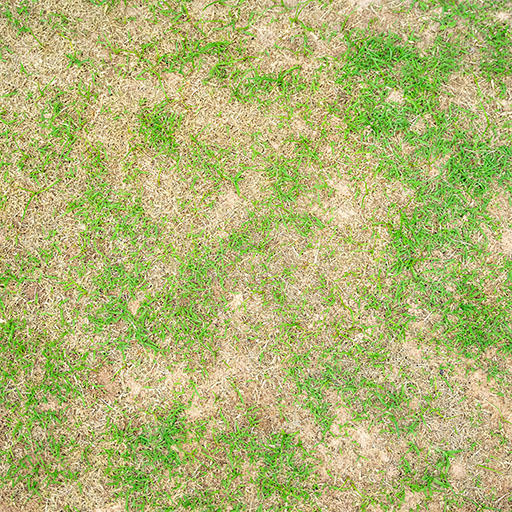
You step outside, take a look at your lawn, and notice something isn’t right.
Instead of the thick, green turf you expect during the growing season, portions of your lawn are turning yellow, brown, or straw-colored. Naturally, the first question most homeowners ask is:
“Why is my lawn turning yellow?”
The truth is there isn’t just one answer. Several different issues can cause yellowing grass in Minnesota, and identifying the real cause is the first step toward restoring a healthy, green lawn.
Lack of Nitrogen
One of the most common causes of yellow grass is a nitrogen deficiency.
Nitrogen is one of the primary nutrients that grass needs to produce healthy, green growth. When nitrogen levels become depleted, lawns often lose their rich color and begin turning pale green or yellow.
Signs of nitrogen deficiency include:
- Uniform yellowing across large areas
- Slow growth
- Thin turf
- Reduced recovery from foot traffic
A properly timed fertilization program can help restore color and vigor while supporting stronger root development.
Heat and Drought Stress
Minnesota summers can be surprisingly tough on grass.
Extended periods of heat combined with a lack of rainfall can push turf into survival mode. As grass becomes stressed, it may begin turning yellow or brown to conserve moisture.
Signs of drought stress include:
- Grass blades folding or curling
- Footprints remaining visible after walking across the lawn
- Dry, brittle turf
- Yellowing that progresses into brown patches
Proper watering practices can help minimize drought stress during hot weather.
Improper Watering
Too little water isn’t the only problem.
Overwatering can also cause yellow grass by reducing oxygen in the soil and creating conditions that encourage disease development.
Common watering mistakes include:
- Watering too frequently
- Applying shallow amounts of water daily
- Watering at the wrong time of day
- Allowing excessive runoff
In most cases, deeper and less frequent watering is healthier than frequent shallow watering.
Grub Damage
Grubs are the immature stage of several beetle species and can cause significant damage to Minnesota lawns.
As grubs feed on grass roots beneath the soil surface, the turf loses its ability to absorb water and nutrients.
Signs of grub damage may include:
- Yellow or brown patches that continue to expand
- Grass that pulls up easily like loose carpet
- Increased activity from birds, skunks, or raccoons digging in the lawn
A lawn inspection can often determine whether grubs are contributing to the problem.
Lawn Disease and Fungus
Several turf diseases can appear during Minnesota’s warm, humid summer weather.
Fungal issues may create yellow, tan, or brown patches that vary in size and shape.
Common contributing factors include:
- Excess moisture
- Poor air circulation
- Overwatering
- High humidity
- Environmental stress
The sooner lawn diseases are identified, the easier they are to manage.
Soil Compaction
Healthy grass depends on healthy soil.
Over time, foot traffic, lawn equipment, and natural settling can compact the soil. When this happens, roots struggle to access air, water, and nutrients.
Compacted soil may cause:
- Thin turf
- Yellowing grass
- Poor drainage
- Reduced growth
Core aeration is often recommended to relieve compaction and improve overall lawn health.
Pet Damage
If the yellow spots seem concentrated in specific locations, pets may be part of the equation.
Dog urine contains high concentrations of nitrogen and salts that can burn grass, creating circular yellow or brown spots.
Pet damage is often recognizable because:
- The affected areas are relatively small and localized
- The damage appears repeatedly in similar locations
- The center may be brown while the surrounding grass appears unusually green
Could It Be More Than One Problem? Absolutely.
Many lawns experience multiple stress factors at the same time. For example, a lawn may be dealing with compacted soil, drought stress, and nutrient deficiencies all at once.
That’s why guessing often leads to frustration and wasted money.
Applying fertilizer won’t solve a watering problem. Watering more won’t fix grub damage. Treating for disease won’t address compacted soil.
The real solution begins with identifying the actual cause.
Start With a Professional Lawn Evaluation
Yellow grass doesn’t always mean your lawn is dying. In many cases, the issue can be corrected once the underlying cause is identified.
At Turf Care MN, we help homeowners throughout the Brainerd Lakes Area diagnose lawn problems and develop treatment plans that promote healthy, green turf throughout the growing season.
If your lawn is turning yellow and you’re not sure why, a professional evaluation can help identify the problem before minor issues become major ones.
A greener, healthier lawn often starts with understanding what your grass is trying to tell you.